




Current Fellows
Meet the Fellows
Fellows who grow together, go together.
Each cohort brings together leaders with wide-ranging expertise, experiences, and perspectives. Throughout the year fellows learn with and from one another, creating a community grounded in collaboration, mutual respect, and a shared commitment to improving the health of the nation.
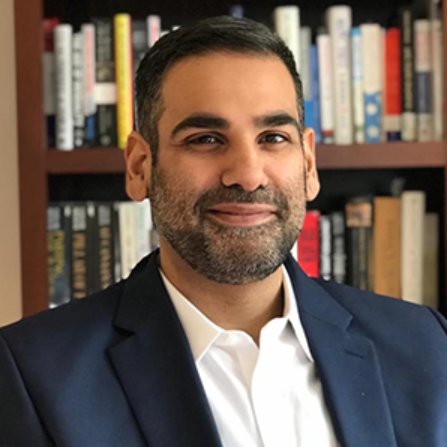
Akshar Abbott, M.D., M.P.H., M.B.A.
Akshar Abbott is a board-certified ophthalmologist and medical retina specialist, innovator, and nationally-recognized teleophthalmology expert. He most recently served in the Veterans Health Administration, where he drove the development and deployment of new teleophthalmology care programs providing critically-needed retinal subspecialty care to Veterans living in rural communities. His work has also included mapping gaps in access to ophthalmic subspecialty care in rural America and providing mobile eye care to unhoused Veterans in the Upper Midwest. He additionally has supported health innovation at the local and national level as a builder, mentor, and evaluator, receiving multiple innovation grants, leading the Community for Innovation in Vision Care and serving as a national VHA Entrepreneur-In-Residence. Committed to developing the next generation of changemakers in health, he previously served as faculty for the MIT Catalyst Program and a fellowship mentor for the Albert Schweitzer Fellowship.
Raised in West Virginia, he earned his MD from the University of Pittsburgh and completed his ophthalmology training at the University of Pittsburgh Medical Center. Dr. Abbott also completed fellowship training in medical retina at the National Institutes of Health. Dr. Abbott is a Fellow of the American Academy of Ophthalmology. He earned an MPH in Epidemiology from the Harvard T.H. Chan School of Public Health and an MBA from the Yale School of Management, where he was a Pozen-Commonwealth Fund Fellow. Dr. Abbott has received numerous national honors, including being previously named a John R. Lewis Fellow and National Academy of Medicine Scholar in Diagnostic Excellence.
Dr. Abbott is passionate about leveraging emerging technology to expand access to healthcare for all Americans, no matter who they are or where they live.
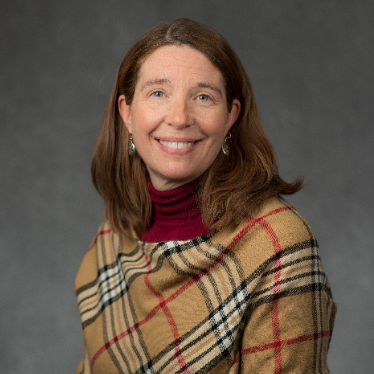
Susan Culican, M.D., Ph.D.
Susan Culican is Professor of Ophthalmology and Visual Neurosciences, Senior Associate Dean for Graduate Medical Education and Designated Institutional Official at the University of Minnesota Medical School, where she oversees graduate medical education for more than 150 residency and fellowship programs training over 1,000 physicians each year. A pediatric ophthalmologist, educator, and national leader in graduate medical education, her work focuses on health workforce expansion, healthcare access, and modernizing graduate medical education. Her policy interests would promote physician training, healthcare financing, and workforce planning to evolve together to meet the healthcare needs of the 21st century.
Dr. Culican’s work is dedicated to maintaining the highest standards of educational quality and strengthening the physician workforce through innovative approaches to graduate medical education. Her scholarship focuses on competency-based education and assessment. Her statewide and national leadership focuses on developing new training pathways to address physician shortages. These efforts have shaped her interest in how federal and state policies intended to support workforce development can unintentionally impede it, underscoring the need for policies that better align graduate medical education financing, accreditation, regulatory requirements, and workforce needs.
Dr. Culican earned her MD and a PhD in Developmental Neurobiology from Washington University School of Medicine in St. Louis. She completed her ophthalmology residency at Washington University/Barnes-Jewish Hospital and fellowship training in Pediatric Ophthalmology and Strabismus at Washington University/St. Louis Children’s Hospital. She served for fifteen years as Residency Program Director at Washington University, where she received the American Academy of Ophthalmology/AUPO Straatsma Award for excellence in residency education. She serves on the Accreditation Council for Graduate Medical Education (ACGME) Ophthalmology Review Committee and the Child Neurology Requirements Writing Group, contributing to national standards and policy for residency education.
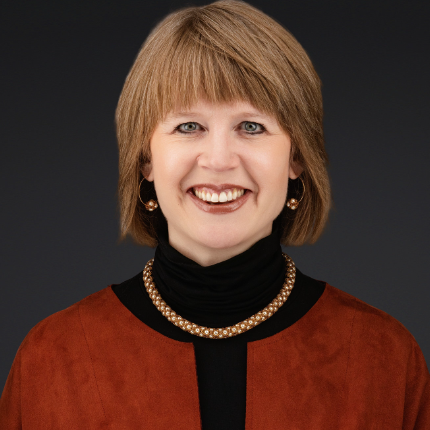
Lauren Hughes, M.D., M.P.H., M.Sc., M.H.C.D.S., FAAFP
Lauren S. Hughes is a Professor in the Department of Family Medicine at the University of Colorado and the State Policy Director of the Eugene S. Farley, Jr. Health Policy Center. A practicing family physician, she researches how to improve primary care payment and financing, strengthen rural health care delivery, and enhance access to integrated behavioral health. Dr. Hughes desires to change policies and systems in innovative, equitable, and sustainable ways to help marginalized communities thrive.
Dr. Hughes previously served as Deputy Secretary for Health Innovation in the Pennsylvania Department of Health. In this role, she collaborated with the CMS Innovation Center (CMMI) to co-design and launch the Pennsylvania Rural Health Model, the first-of-its-kind payment and delivery model to transition rural hospitals from fee-for-service to multi-payer global budgets. Earlier in her career, she volunteered through AmeriCorps in a federally qualified health center, studied medicine and health systems in Brazil, Sweden, Tanzania, and Botswana, and served as national president of the American Medical Student Association. She has been a visiting scholar at the Robert Graham Center, the ABC News Medical Unit in New York City, CMMI, and The Commonwealth Fund. In 2018, Dr. Hughes was selected by Presidents Clinton and Bush as a Presidential Leadership Scholar, and in 2022, she was elected Chair of the American Board of Family Medicine Board of Directors. From 2023 until 2026, she co-chaired the Standing Committee on Primary Care within the National Academies of Sciences, Engineering, and Medicine. In 2026, along with co-editors Drs. Anthony Cheng and Jen DeVoe, she published the textbook “Primary Care in a Public Health Emergency: Lessons from the Frontlines of the COVID-19 Pandemic.”
Dr. Hughes completed the Robert Wood Johnson Foundation Clinical Scholars Program at the University of Michigan, where she earned an MSc in health and health care research. She also holds a master’s degree in health care delivery science from Dartmouth College, an MPH in health policy from The George Washington University, and a medical degree from the University of Iowa. She completed family medicine residency at the University of Washington – Harborview Hospital.
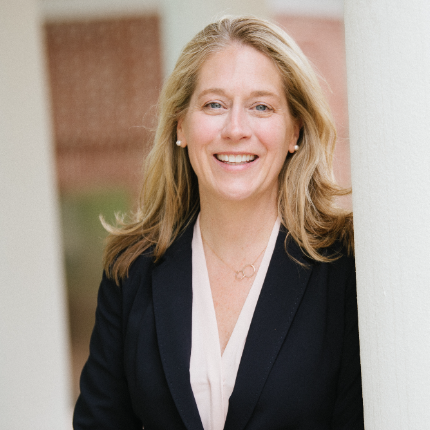
Virginia LeBaron, Ph.D., APRN, FAAN
Virginia LeBaron is an Associate Professor and the Kluge-Schakat Endowed Chair of Compassionate Care at the University of Virginia School of Nursing. As an internationally recognized nurse scientist, educator, and advanced practice clinician, her work focuses on improving quality of life for people living with serious illness, particularly advanced cancer. Over her career, she has practiced clinically as an oncology nurse and a palliative care nurse practitioner in both U.S. and global settings.
Dr. LeBaron directs the Technology Enhanced Compassionate Care (TECC) lab, leading interdisciplinary research at the intersection of digital health and palliative care that has been supported by the National Institutes of Health, the American Cancer Society, and the Gordon and Betty Moore Foundation. A central theme of Dr. LeBaron’s research is understanding impacts of opioid policies on access to pain relief. Her work in this area has been recognized by a Fulbright Fellowship (India) and selection as the 2023-2024 National Cancer Institute/AcademyHealth Visiting Scholar. Related policy efforts have involved service with the Virginia Department of Health Professions Prescription Monitoring Program Advisory Committee and the Cancer Action Coalition of Virginia to help develop the Commonwealth of Virginia State Cancer Plan.
Dr. LeBaron earned her Bachelor of Science in Nursing from the University of Virginia, her Master of Science from the University of Maryland, and her PhD from the University of Utah. She completed a postdoctoral fellowship at the Dana-Farber Cancer Institute before entering academia. Dr. LeBaron is a Fellow of the American Academy of Nursing and an alumna of the Betty Irene Moore Fellowship for Nurse Leaders and Innovators.
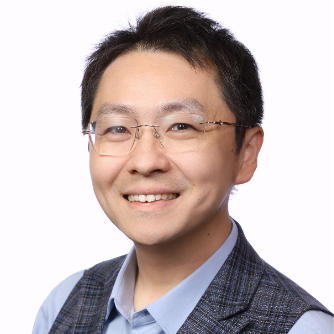
Hui Shao, M.D., Ph.D.
Hui Shao is an Associate Professor in the Hubert Department of Global Health at Emory University, with joint appointments in the Department of Family and Preventive Medicine and the Department of Health Policy and Management. He is also Director of the Emory AI and Causal Lab. Trained in medicine and health economics, Dr. Shao’s research focuses on advancing precision medicine and precision public health by generating evidence that improves healthcare delivery, reduces health disparities, and informs health policy. His work integrates artificial intelligence (AI), causal inference, health economics, and real-world data to support more effective and equitable healthcare decisions.
Dr. Shao leads multiple NIH- and CDC-funded research programs focused on diabetes, chronic disease, and population health. He has pioneered AI-driven approaches to identify patients most likely to benefit from interventions, evaluate their long-term clinical and economic value, and inform more targeted healthcare coverage and reimbursement policies. His research has contributed to national conversations on diabetes care, prescription drug affordability, value-based healthcare, and the use of AI to strengthen evidence-based policymaking. He has also contributed scientific expertise to federal initiatives focused on diabetes prevention, prescription drug affordability, and innovative healthcare payment and delivery models.
Beyond his research, Dr. Shao is committed to developing future leaders and strengthening the connection between research, education, and public policy. He serves as an advisor to the CDC’s Steven M. Teutsch Prevention Effectiveness Fellowship and is Director of the Data, AI, and Dissemination Core of the Georgia Center for Diabetes Translation Research, where he leads training and dissemination initiatives for researchers and public health professionals. In these roles, he develops innovative training programs in artificial intelligence, health economics, and decision science, mentors junior faculty and early-career investigators, and helps equip the next generation of scientists to generate evidence that informs healthcare policy and improves population health. Dr. Shao received his medical training from Shandong University, China, and a PhD in Health Services Research and Health Economics from Tulane University.
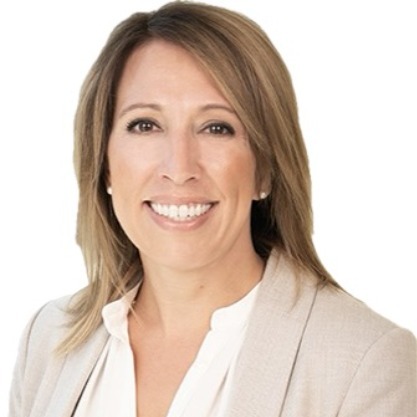
Denise Smith, Ph.D., CNM, FACNM, FAAN
Denise C. Smith is an Associate Professor with tenure at the University of Colorado Anschutz College of Nursing, where she is a researcher, clinician, educator, and leader in midwifery and maternal health services research. A certified nurse-midwife with three decades of nursing and midwifery experience, her work bridges clinical practice, health systems research, workforce development, and health policy. Her scholarship focuses on improving maternal health outcomes, access to care, interprofessional collaboration, and the integration of midwifery care within health systems. She is a Fellow of the American College of Nurse-Midwives and the American Academy of Nursing.
Dr. Smith has served in academic, clinical, military, and healthcare leadership roles. She currently teaches in doctoral and graduate nursing programs and maintains an active clinical practice at the University of Colorado Hospital as a certified nurse-midwife. Her previous leadership positions include Specialty Director of the CU Nurse-Midwifery Education Program. She served as a nurse corps officer in both the U.S. Army and U.S. Navy Reserve. As a researcher, she has led and collaborated on federal and state-funded projects addressing maternity care access, rural workforce expansion, respectful maternity care, telehealth, and birth outcomes. Her body of peer-reviewed scholarship has contributed significantly to the evidence base supporting midwifery-led care, maternal health access and quality, and collaborative models of care.
Dr. Smith earned her PhD from the University of Colorado Anschutz, a Master of Science in Nursing with a concentration in Nurse-Midwifery from East Carolina University in 2007, a Bachelor of Science in Nursing from Georgia Southern University in 1997, and undergraduate studies in Political Science at the University of Illinois Urbana-Champaign. Dr. Smith is dedicated to advancing midwifery education, maternal health workforce development, and health services research that supports quality and access to care.
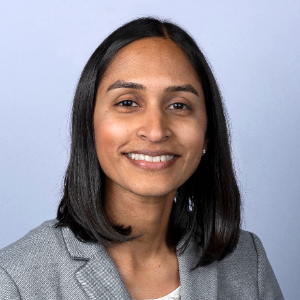
Renuka Tipirneni, M.D., M.Sc.
Renuka Tipirneni is an Associate Professor of Internal Medicine and Associate Professor of Health Management and Policy at the University of Michigan. Her research and quality improvement activities focus on investigating and enhancing the effectiveness of health insurance policies and health care delivery programs, with current work examining Medicaid policy, Medicare policy for older adults, and optimizing care for patients with social needs affecting their health. Dr. Tipirneni is passionate about the translation of evidence into implementation of health policies and programs, including sharing lessons learned across communities and states.
As a practicing general internal medicine physician, health policy researcher, and health care quality improvement leader, Dr. Tipirneni regularly works with health care, payer, and community partners to improve access and quality of health care for all patients, particularly disadvantaged populations. With over 100 publications, her research has evaluated the Affordable Care Act, Medicaid expansion, the Medicare Advantage program, and other state and federal programs. She also leads work across the state of Michigan identifying and addressing patients’ social needs that frequently drive poor health outcomes, in her role as Program Director of the MSHIELD collaborative quality initiative. Dr. Tipirneni is dedicated to mentoring the next generation as a Co-Director of the National Clinician Scholars Program, which trains physicians and nurses as leaders to improve health and health care. She is the recipient of numerous research and teaching honors, including from the Society of General Internal Medicine and the American Public Health Association, and has been recognized as a Fellow of the American College of Physicians.
Dr. Tipirneni completed her BS at Cornell University, MD at the University of California, San Francisco, internal medicine residency at Massachusetts General Hospital, and health services research training in the Robert Wood Johnson Foundation Clinical Scholars Program at the University of Michigan.
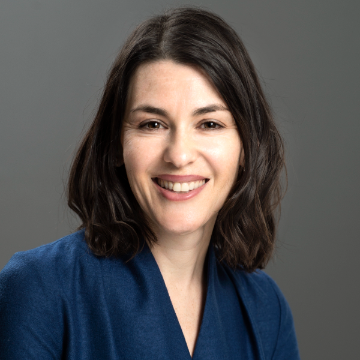
Lori Uscher-Pines, Ph.D., M.Sc.
Lori Uscher-Pines is a Distinguished Senior Research Scientist at Brown University School of Public Health, where she leads a research program on AI and digital health policy and emerging technologies in mental and behavioral health. She spent over fifteen years at the RAND Corporation, most recently as Senior Policy Researcher and Professor of Policy Analysis at the Pardee RAND Graduate School, before joining Brown in 2026. Her work examines how digital health innovations shape access to care for underserved populations, including rural communities, pregnant women, and individuals with substance use and mental health conditions.
Dr. Uscher-Pines is principal investigator on two NIH-funded randomized controlled trials examining virtual models of care: one evaluating virtual breastfeeding support among minoritized mothers and one assessing experiences with virtual doula services and their impact on birth outcomes in rural communities. She is also a co-investigator on multiple NIH-funded studies of telehealth for substance use disorder and for mental health, and she leads qualitative and mixed-methods components of these projects. Her research has informed state and federal telehealth policy, including Drug Enforcement Agency rules about controlled substance prescribing. Her studies have repeatedly ranked among the most-read articles in Health Affairs, and she has published multiple studies in JAMA and New England Journal of Medicine. She has received two RAND Medal Awards for research impact.
Dr. Uscher-Pines earned her PhD in Health Policy and Management from the Johns Hopkins Bloomberg School of Public Health, her MSc in International Relations from the London School of Economics, and her BA in International Relations from the University of Pennsylvania. She is committed to ensuring that policy keeps pace with rapidly evolving models of virtual and technology-enabled care.
Sign Up to Receive Our Monthly Newsletter.
Our monthly newsletter allows prospective applicants to stay up to date on the latest updates, upcoming events, application information, and stories from alumni.